Basuhed: A Handwritten Typeface for Artisan Branding
I was sitting at my desk last Tuesday, surrounded by half-cut vinyl sheets and a stack of unlabelled soy candles, when I realized my shop’s visual identity felt a little too rigid. The labels were clean, sure, but they lacked that warm, human touch that makes customers feel like they are buying from a person, not a factory. I needed something that felt effortless yet elegant, something that whispered "handmade with care" without shouting for attention. That is when I pulled up Basuhed from Script Amp.
It wasn’t just another script font I downloaded; it was the missing piece in my product design puzzle. As I placed the text on my candle jar mockups, the varying baseline gave the words a natural, flowing rhythm that mimicked actual handwriting. It didn’t look like a computer-generated imitation of cursive; it looked like someone had taken a fine-tip marker to premium cardstock. For any crafter, Etsy seller, or printable creator looking to elevate their brand identity, finding a typeface that balances charm with usability is crucial. Basuhed delivers exactly that.
The Visual Personality of Basuhed
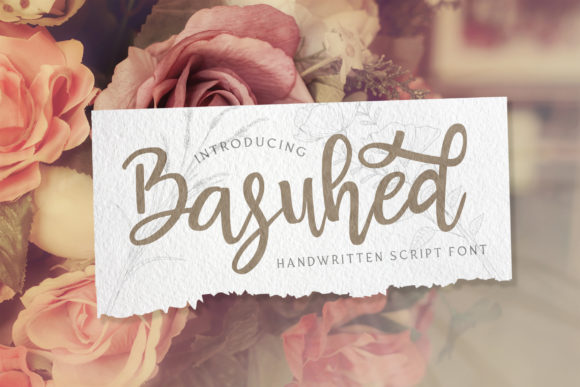
What immediately strikes you about Basuhed is its relaxed nature. In the world of modern typography, there is often a tension between legibility and artistic flair. Many script fonts are so ornate that they become difficult to read on small product tags or distant wall art. Basuhed avoids this trap entirely. Its smooth lines and gorgeous glyphs create a sense of movement that feels organic rather than forced.
The font features a varying baseline, which means the letters do not sit on a perfectly straight line. Instead, they dance slightly, creating a dynamic visual interest that draws the eye across the text. This is particularly effective for short phrases, names, and titles where you want to make a statement without overwhelming the viewer. Whether you are designing boutique packaging or seasonal holiday tags, this subtle imperfection adds depth and character to your designs.
Furthermore, because Basuhed is PUA encoded, accessing all of the glyphs and swashes is incredibly easy. For creators who love to customize their designs, this means you aren't limited to a standard set of characters. You can swap out regular letters for decorative alternates, add elegant swashes to the ends of words, or use ligatures to connect letters seamlessly. This level of control allows you to tailor the font to fit specific moods, whether you are aiming for a rustic farmhouse vibe or a sleek, modern aesthetic.
Bringing Basuhed to Life on Products
I decided to test Basuhed across several different mediums to see how it performed in real-world applications. The first project was a series of greeting cards for an upcoming wedding season launch. Using the font for the main invitation text, I paired it with a simple sans serif font for the details. The contrast worked beautifully. The handwritten style of Basuhed added emotional appeal and a personal touch, while the clean secondary font ensured that important information like dates and locations remained highly readable.
Next, I moved on to digital downloads, specifically planner pages and printable wall art. On screen, the smooth lines of Basuhed rendered sharply, making it perfect for high-resolution previews. Customers browsing online marketplaces often judge a product by its listing images, and a well-designed mockup featuring a versatile font like Basuhed can significantly boost perceived quality. I created a set of motivational quotes for wall art, using the larger swashes to emphasize key words. The result was a piece of decor that felt inspiring and sophisticated, suitable for a modern home office or a cozy living room.
I also experimented with physical merchandise, including tote bags and mugs. When cutting vinyl for a Cricut or Silhouette machine, the varying baseline of Basuhed required a bit of spacing adjustment to ensure the letters didn’t overlap awkwardly on curved surfaces. However, once positioned correctly, the font looked stunning on fabric and ceramic. It held up well during heat pressing, maintaining its crisp edges and smooth curves. This durability is essential for crafters who sell physical goods, as the branding needs to survive washing and handling.
Readability and Practical Application
While Basuhed is undeniably beautiful, it is important to remember its best use cases. Like most display fonts, it shines brightest when used for short phrases, titles, and decorative wording. Attempting to set long paragraphs of body text in Basuhed would likely result in fatigue for the reader, as the varying baseline and intricate glyph shapes can be distracting over extended reading.
For product labels, stickers, and packaging design, I recommend using Basuhed for the brand name or primary slogan, and pairing it with a more neutral font for ingredient lists, instructions, or contact information. This hierarchy guides the customer’s eye to what matters most while ensuring compliance and clarity. For example, on a candle label, I used Basuhed for the scent name ("Lavender & Sage") in a large, prominent size, and a clean sans serif font for the weight and burn time below it. This combination creates a balanced composition that looks professional and trustworthy.
Font Pairing and Design Assets
To get the most out of Basuhed, thoughtful font pairing is key. Because Basuhed has a strong personality, it pairs exceptionally well with minimalist typefaces that allow it to take center stage. A bold display font can work for contrast if you are going for a mixed-media look, but a simple serif font or a geometric sans serif font is usually the safest bet for maintaining elegance.
When designing your shop branding, consider how these pairings will translate across different platforms. Social media graphics benefit from the high-impact nature of Basuhed, making your posts stand out in a crowded feed. Web design elements, such as headers or call-to-action buttons, can also leverage the font’s charm to create a welcoming user experience. By integrating Basuhed into your broader design assets, you create a cohesive brand identity that customers can recognize instantly.
Technical Considerations for Sellers
Before incorporating Basuhed into your commercial products, it is vital to review the licensing terms provided by Script Amp. Most premium fonts come with specific guidelines regarding commercial use, especially for items sold in bulk or as part of digital templates. Ensure you have the appropriate license for selling physical products, printables, SVG-style designs, and merchandise.
Additionally, check the file formats included in the download. Having both TTF and OTF versions ensures compatibility with various design software, from Adobe Illustrator to Canva. If you plan to offer editable templates to your customers, providing them with clear instructions on how to install and access the swashes and alternates will enhance their user experience. Multilingual support is another factor to consider if your target audience is global; verifying character set coverage helps prevent missing symbols in your final exports.
In conclusion, Basuhed is more than just a pretty font; it is a tool that can transform the way you present your creative work. Its relaxed, handwritten style brings warmth and authenticity to handmade labels, stationery, and digital downloads. By understanding its strengths and limitations, and by pairing it wisely with other typefaces, you can create products that resonate emotionally with your audience. Whether you are preparing seasonal craft designs or building a long-term brand, Basuhed offers the versatility and charm needed to make your shop stand out in a competitive marketplace.